
"Strange Species"
800 article(s) found

Brazilian Coffee harvesting and processing capacity-effect of Brazilian Weather on Coffee
Brazilian Coffee harvesting and processing capacity-effect of Weather on Coffee in Brazil the vigorous production period of a coffee tree usually lasts about 15 years, and of course some trees are still fruitful for 20 or 30 years. As soon as the coffee tree loses its ability to bear fruit, it will be cut down on the spot and uprooted so as not to compete for nutrients with other trees that are still strong and can bear fruit. Coffee yield and the species and growing environment of coffee trees

History, culture, stories and allusions of Panama's Elieta Manor Saint Boutique Single Bean
Professional barista exchanges, please pay attention to coffee workshop (Weixin Official Accounts cafe_style) Panama Ileta Manor Saint Boutique Bean History, Culture, Story RENACIMIENTO Renacimiento is a production area in Chiriqui province, bordering Costa Rica. The area itself is relatively small, so it is not Panama's main specialty coffee producing area.
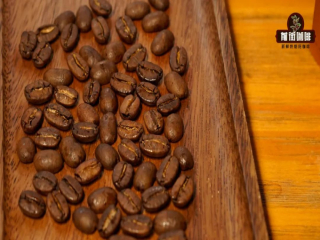
How many beans are there in 15 grams and 20 grams of coffee beans? How to count beans for a cup of coffee without weighing
When brewing coffee by hand, if you don't weigh it around, how can you roughly determine the amount of 15g coffee beans? Today, Qianjie Coffee will share with you a more alternative way to count beans. I don't know if you have ever wondered how many coffee beans are the 15 grams of beans that are usually used for cooking. No.

Blueberry Tea Floral Sitama Charkiso Fine Coffee Bean Planting Location Climate Elevation
Limu Coffee This coffee is grown in areas ranging from 1400 to 2000 meters above sea level. This coffee is wet processed and has a strong aroma; the fruit is full and the pH is moderate; the quality is excellent and the spicy flavor is attractive. It is estimated that the average annual production of this coffee is 29000 tons (equivalent to 480,000 bags of 60 kg coffee) out of 49000 hectares of cultivated acreage.

A brief introduction to the description of the flavor and aroma characteristics of Coffee beans with Citrus aroma
Ethiopia has unique and different flavors, providing customers all over the world with a wide range of taste choices. In the highlands of southwestern Ethiopia, the Kaffa, Sheka, Gera, Limu and Yayu Senri coffee ecosystems are considered to be Arabica coffee.

A brief introduction to the flavor, taste and aroma characteristics of Sidamo Shakiso boutique coffee beans
Flavor: medium sweet and sour aromas of sun berries, citrus, slightly fermented fruit, fruit wine. Palate: comfortable and interesting sour fruit, good sweetness and low thickness. Ethiopian coffee beans grow in close to the natural environment, after years of planting under the same growth conditions, Ethiopian coffee beans have gradually adapted to the environment here. Exceed

St. Helena, I.
St. Helena is a small island that occupies an important place in European history. The island is famous for its exile after Napoleon's defeat at the Battle of Waterloo in 1815. The most famous emperor in French history died on St. Helena in 1821. (isolated island, hanging from the sea) (valiant Napoleon) Napoleon's great achievements need not be said. Although it is not good-looking

A brief introduction to the Origin, Development, History and Culture of Sidamo Shakiso Fine Coffee beans
Shakisso/Shakiso, located in the Guji producing area of Sidamo, is one of the micro-producing areas with regional characteristics in the Sidamo producing area. The coffee in this region is quite unique, and the coffee produced has often attracted the attention of the market. The original meaning of Ninety Plus's legendary bean (nekisse) comes from Nectar from shakisso, its producing area.

A brief introduction to the Origin, Development, History and Culture of Sidamo Shakiso Fine Coffee beans
Ethiopian coffee beans grow in close to the natural environment, after years of planting under the same growth conditions, Ethiopian coffee beans have gradually adapted to the environment here. More than 60% of coffee beans are grown in forests or semi-forests. Large-scale coffee-growing villages account for about 35% of the country's total coffee production. Many of these are used.

History of Panama
Coffee was introduced to Panama in 1780, when Europeans brought in the first Typica species. The history of Panamanian coffee begins. For Panamanians at the time, the drink was both novel and mysterious, and not only quickly conquered people's consciousness, but also caused the locals to start growing coffee trees in general. Riding the third wave of coffee aesthetics

Panama Honey Treated Coffee- Los Lajones Estate| Hand brewed coffee beans recommended
Professional coffee knowledge exchange More coffee bean information Please pay attention to coffee workshop (Weixin Official Accounts cafe_style) Front Street Coffee Hand brewed coffee bean recommended-Panama Elida Manor Sun Iron Pickup Coffee History has underestimated or even ignored Panama coffee for a long time, this view has been held in recent years the annual International Cup Test Panama Best Coffee Be

Characteristics of mocha coffee beans the price of mocha coffee beans the characteristics of coffee beans around the world
In Yemen, coffee growers plant poplars to provide shade for coffee to grow. As in the past, these trees are planted on steep terraces to maximize the use of less rainfall and limited land resources. In addition to the Tippika Coffee Tree and the Bourbon Coffee Tree, more than a dozen different coffee species native to Ethiopia are grown in Yemen. But,
Coffee Culture-- the Origin of Coffee
Drinking coffee is very popular in Europe and the United States. Coffee consumption is also becoming more and more popular in China and other eastern countries. Potential

Chinese Coffee Culture | how did coffee enter China? Growth and Development of Coffee in China
Communication of professional baristas Please pay attention to the coffee workshop (official Wechat account cafe_style) Coffee was not introduced into China for a long time until it was first planted in Taiwan in 1884. In the mainland, the earliest coffee cultivation began in Yunnan. At the beginning of the 20th century, French missionaries brought the first batch of coffee saplings to Binchuan County, Yunnan Province, and coffee began to be grown on the mainland. From

A brief introduction to the market price of Sidamo Shakiso boutique coffee beans with lively and sour taste
Antigua coffee can be traced back to the Mayan civilization. Due to the eruption of the volcano, the soil here is more nutritious, and the sufficient sunlight and moisture also make the coffee produced excellent quality. Most importantly, the residents here insist on growing Arabica bourbon coffee, although the yield is small, but the texture is better. Because the residents of Antigua grow coffee in a large area,

A brief introduction to the treatment method of grinding degree and baking degree of Sidamo Shakiso boutique coffee beans with endless aftertaste
Production area: Sidamo varieties: Native Arabica treatment: washing flavor: moderate sweet and sour sun berry aroma, citrus aroma, slightly fermented fruit aroma, fruit wine flavor. Palate: comfortable and interesting sour fruit, good sweetness and low thickness. Baking degree: medium baking area: Sidamo variety: Native Arabica treatment: high washing in western Ethiopia

Introduction to the flavor and taste characteristics of the bitter and fragrant Antigua coffee manor in Guatemala
The coffee beans in each producing area have their own characteristics, and they have won a lot of praise for Guatemala in the international community, especially the perfect coordination of the sour, sweet and mellow texture of Antigua; with a touch of smoke and a little more emphasis on its mystery, you will have a reason not to look for alternatives everywhere after tasting. Guatemalan coffee beans are mostly cultivated in high-altitude volcanic areas where the soil is the highest.

What is the coffee microclimate? What is the growing environment of coffee related to?
Professional coffee knowledge exchange more coffee bean information Please pay attention to the coffee workshop (Wechat official account cafe_style) the term boutique coffee was first put forward by Ms. Erna Knutsen (Erna Kennusen) in the monthly Coffee and Tea magazine. Special geographic microclimates produce beanswithunique flavor profiles, which she

Ethiopian Coffee Bean Manor Flavor Description Processing Method Grinding Scale Introduction to the region of production
Ethiopian coffee beans estate flavor description processing method grinding scale production area introduces the high altitude growth environment and the excellent genes of the local native species, creating a bright and juicy taste of the Royal Selection, the sun drying processing method adds rich and strong fruit notes. Floral, cantaloupe, strawberry, blueberry, ripe berry and other rich fruit flavors such as fruit bombs in beans
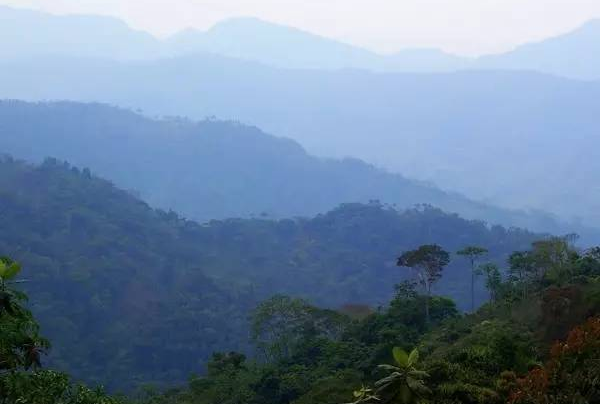
Description of taste and flavor of coffee beans for solitary travelers in Dark Arts, Bolivia
Follow the caf é (Wechat official account vdailycom) found that the Beautiful Cafe opened its own small shop in Bolivia Suapi comes from the La Paz producing area. Outside the city of Caranavi, coffee cherries are processed on a small farm, peeled and peeled mechanically, fermented in a small fermentation tank overnight, and then washed after fermentation.